Harithra Journeys

DESTINATIONS

Sri Lanka in All Its Splendour - From Shore to Summit, Jungle to Sacred Hill.

Sri Lanka is an island where ancient civilisations and pristine wilderness coexist within a few hours’ drive of one another. Wherever your curiosity leads, we will take you there with knowledge, care and passion for this beautiful island.

Where the Indian Ocean Meets the Most Beautiful Shores.

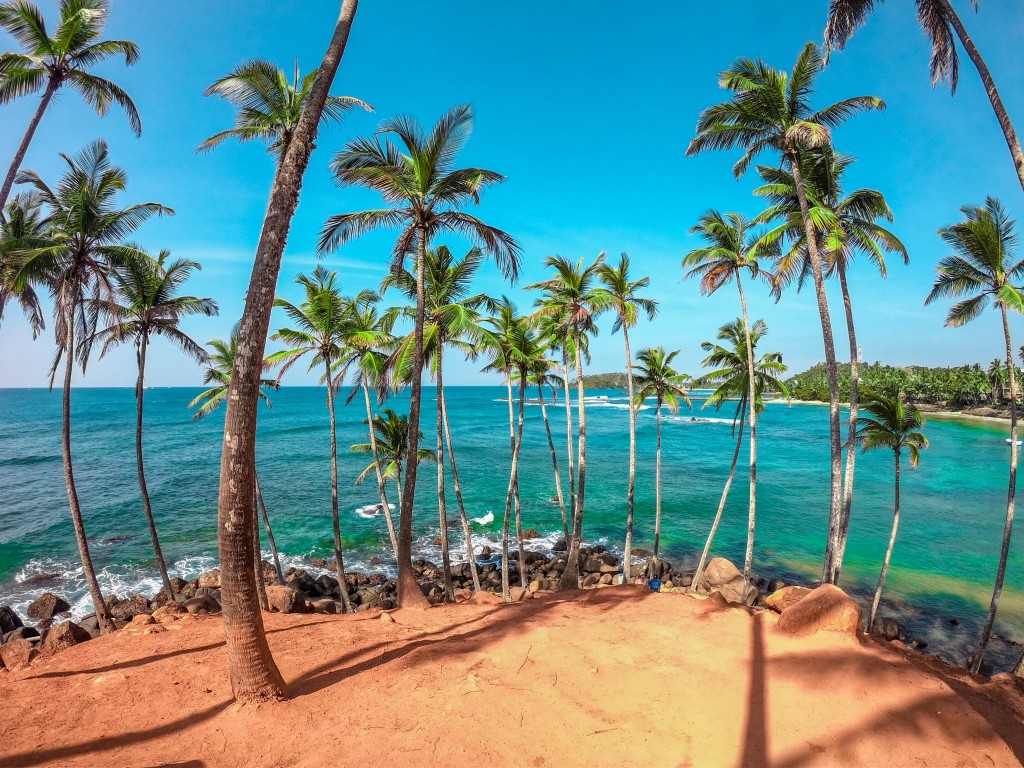
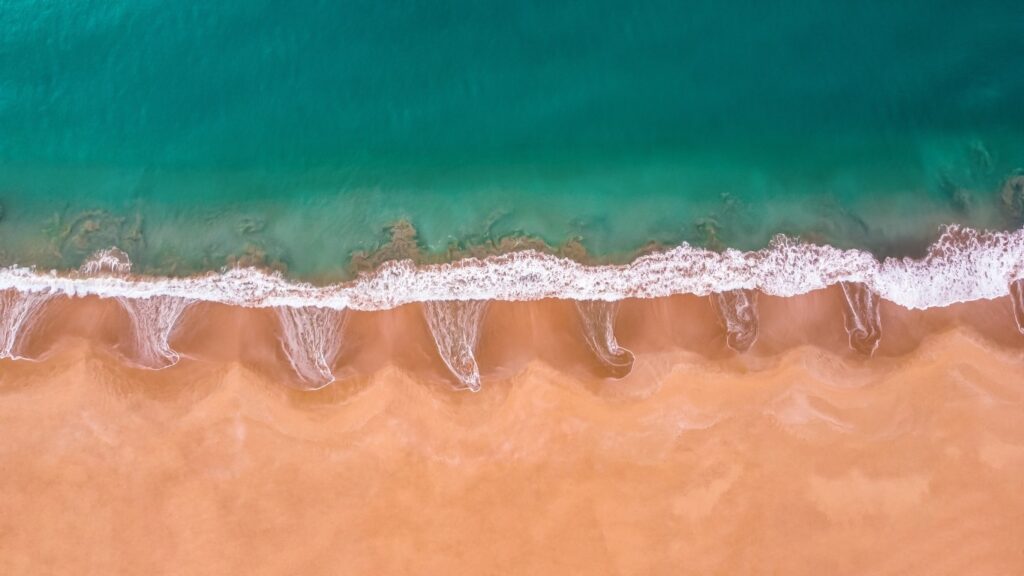
Sri Lanka’s coastline stretches for over 1,600 kilometres, wrapping the island in a continuous embrace of turquoise bays, golden beaches, lagoons and surf-washed headlands. Each coastal destination has its own personality, from quiet fishing villages to vibrant surf towns offering everything from family-friendly calm-water swimming to world-class diving, whale watching, and water sports.

Trincomalee

Trincomalee is a historic port city, blessed with one of the finest natural harbours. The area is home to Koneswaram, a Hindu cliff temple perched above the sea, as well as Fort Frederick, a Portuguese and British colonial fortification with ocean views. The beaches of Uppuveli and Nilaveli nearby are among the finest, and the waters are rich in marine life, offering excellent diving, whale watching and dolphin encounters.


Hikkaduwa

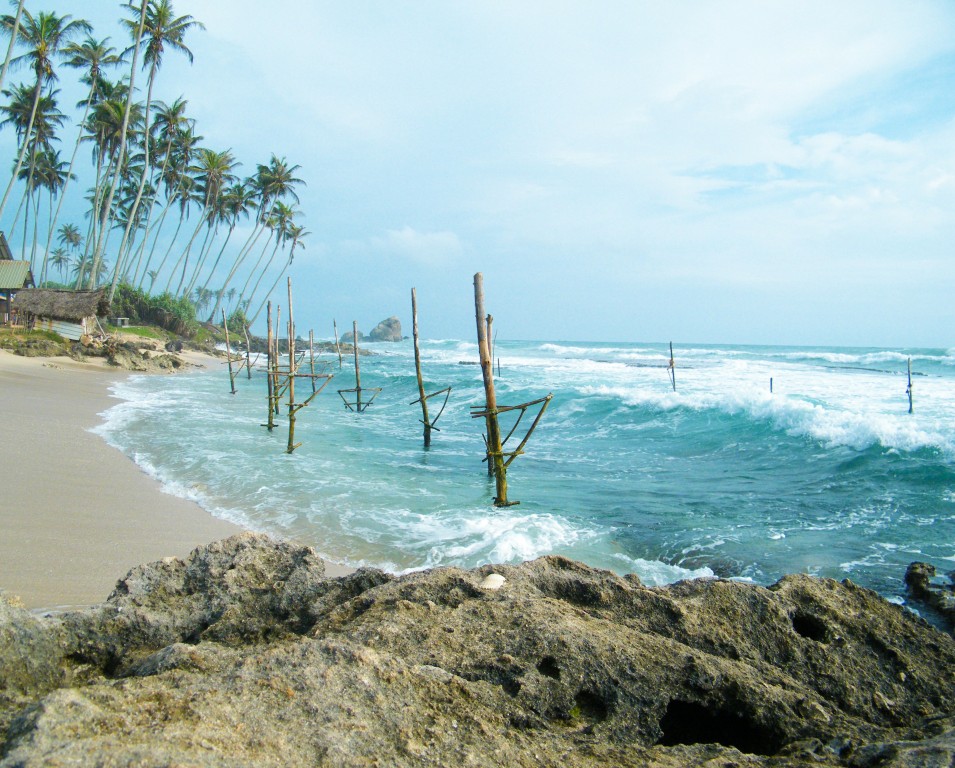
Hikkaduwa is one of Sri Lanka’s oldest and most beloved beach destinations, a lively, colourful town on the southwest coast famous for its coral reef, surf and vibrant beach culture. The shallow reef running close to shore makes it an ideal snorkelling and glass-bottom boat destination, where you can drift above colourful corals and observe sea turtles, reef fish and moray eels.

Nilaveli

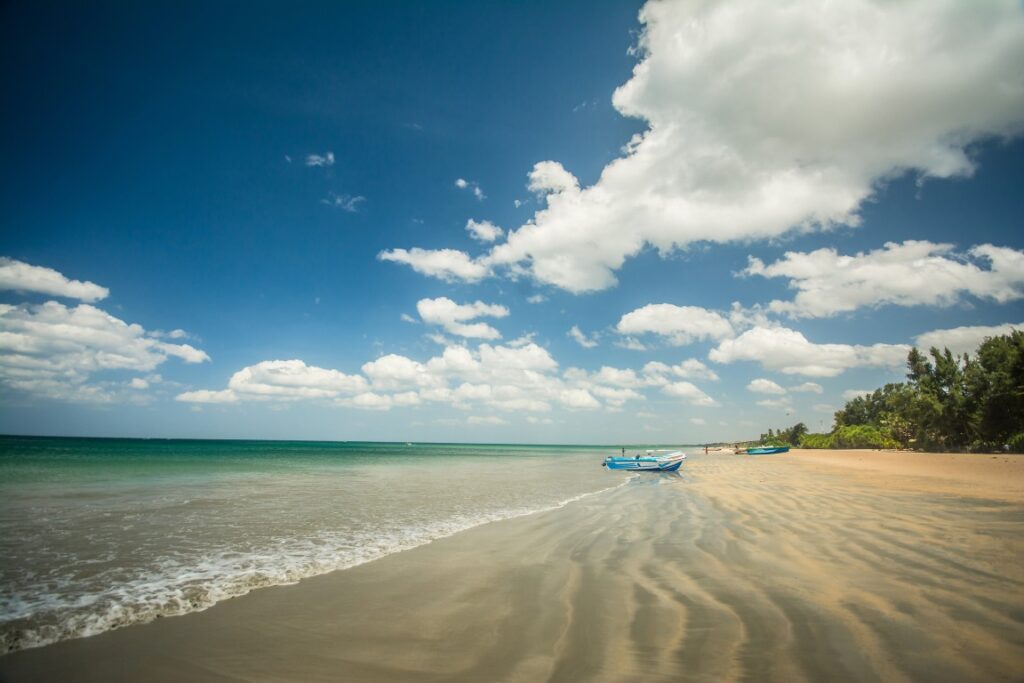
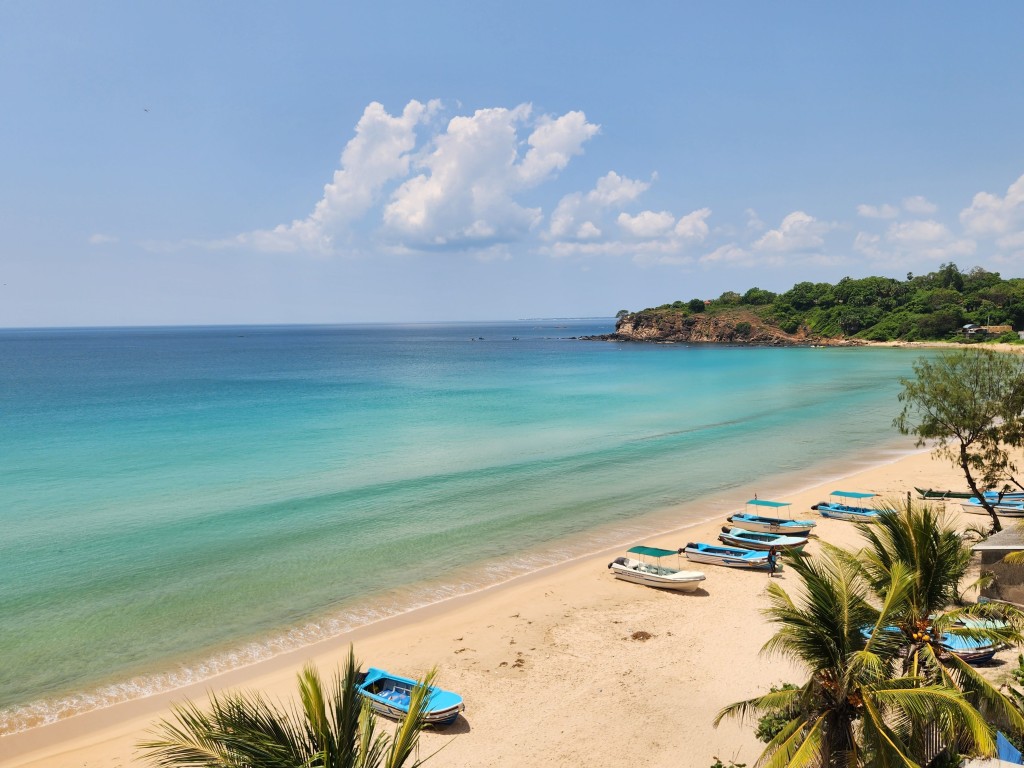
Nilaveli is widely considered one of Sri Lanka’s most beautiful beaches, a long, broad, empty stretch of white sand on the east coast just north of Trincomalee, lapped by calm, glass-clear water of clarity. The beach faces Pigeon Island National Park, a protected marine reserve teeming with reef fish, hawksbill turtles, and blacktip reef sharks, one of the best snorkelling destinations in the country.

Tangalle

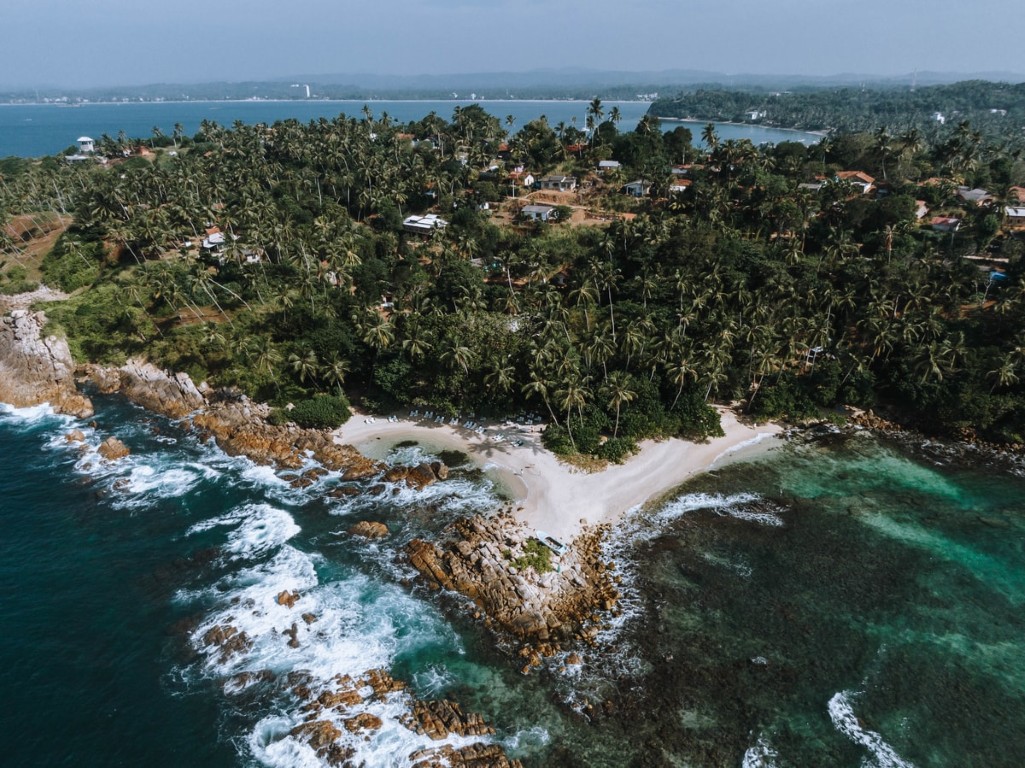
Tangalle is a string of small, separated cove beaches framed by rocky headlands and calm bays. It is a favourite among travellers seeking a peaceful escape from the more developed tourist strips, offering a sense of discovery and seclusion. Tangalle is also one of Sri Lanka’s most important sea turtle nesting sites, and nearby Rekawa Beach is where wild nesting turtles can be observed responsibly after dark.

Kalpitiya

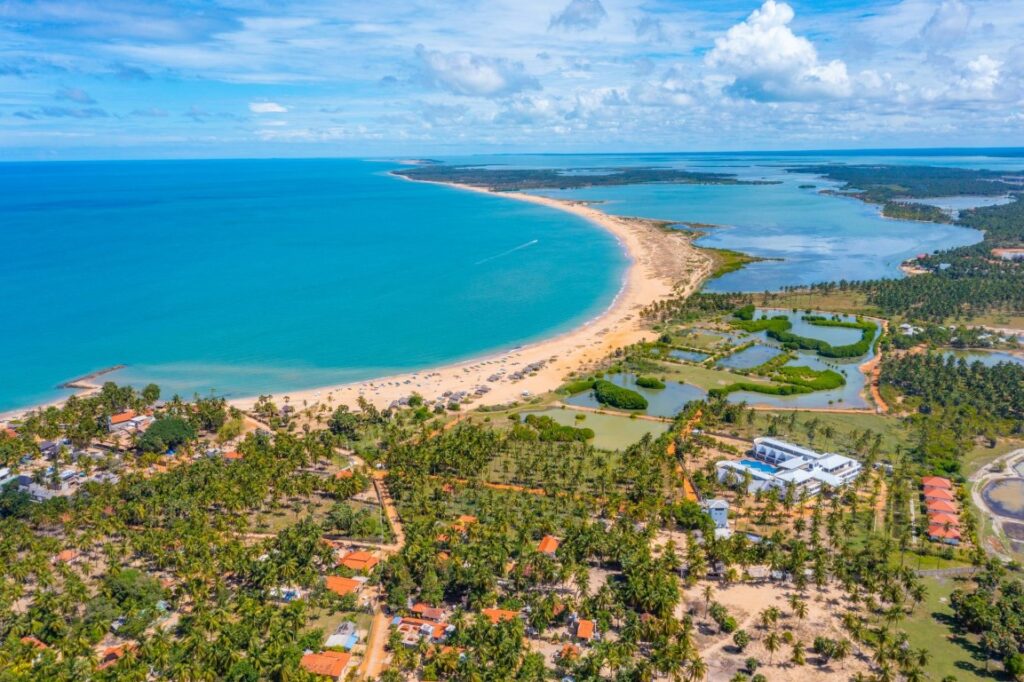
Kalpitiya is Sri Lanka’s premier destination for kitesurfing, attracting enthusiasts from across the globe to its wide, open lagoons and consistent coastal winds. Situated on a peninsula in the northwest, the area also offers excellent dolphin watching and whale shark sightings during the season. The surrounding landscape is a patchwork of lagoons, sandbanks, mangroves, and shallow flats that stretch to a pristine coastline.

Mirissa

Mirissa has become famous as the best place in Sri Lanka and one of the best in the world for blue whale watching. Between December and April, the offshore waters are visited by blue whales, sperm whales and large pods of spinner dolphins during their seasonal migration. Beyond the ocean, Mirissa itself is a charming destination with a beautiful curved beach, quality seafood restaurants and a relaxed, welcoming atmosphere.

Pasikuda

Pasikuda is home to one of Sri Lanka’s most celebrated beaches, a shallow, crescent-shaped bay on the east coast with some of the calmest, clearest water. The reef that shelters the bay creates a natural swimming pool, making it ideal for swimmers of all abilities. Pasikuda is also a centre for snorkelling and glass-bottom boat rides, with colourful coral gardens lying just beneath the surface of the blue water.

Negombo

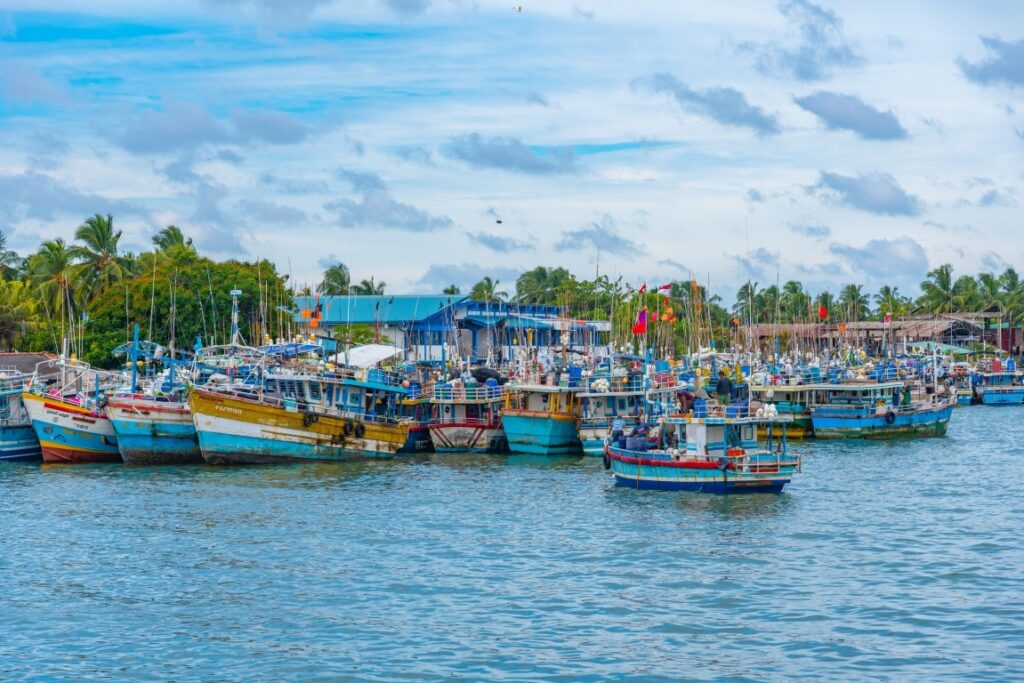
 Negombo is one of Sri Lanka’s most accessible and characterful coastal towns, a place where Dutch colonial history, Catholic fishing communities and vibrant beach life intertwine. The Negombo Lagoon is one of the island’s finest, ideal for boat rides through mangrove channels teeming with birdlife. It serves as both a welcoming first stop and a satisfying last night destination, with a good selection of hotels.

Arugam Bay

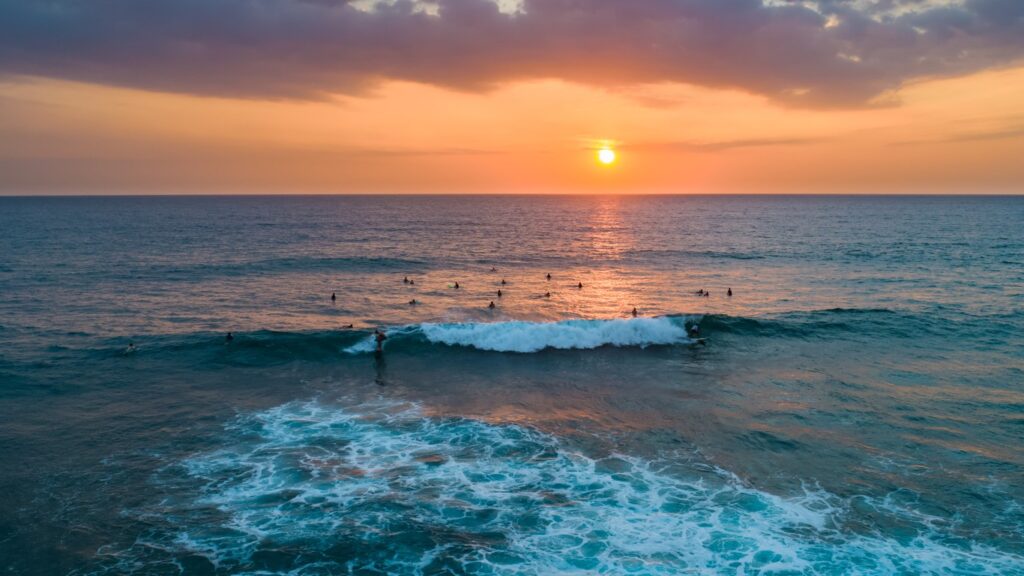
Arugam Bay is one of Asia’s top surf destinations, drawing wave riders from around the world. Situated on the east coast, this laid-back town has a warm, unhurried energy, a cluster of surf schools, open-air restaurants and guesthouses set against a backdrop of uncrowded beaches. The surrounding area offers lagoon boat rides, wildlife spotting at Pottuvil Lagoon and visits to ancient temples just minutes from the shore.

Bentota

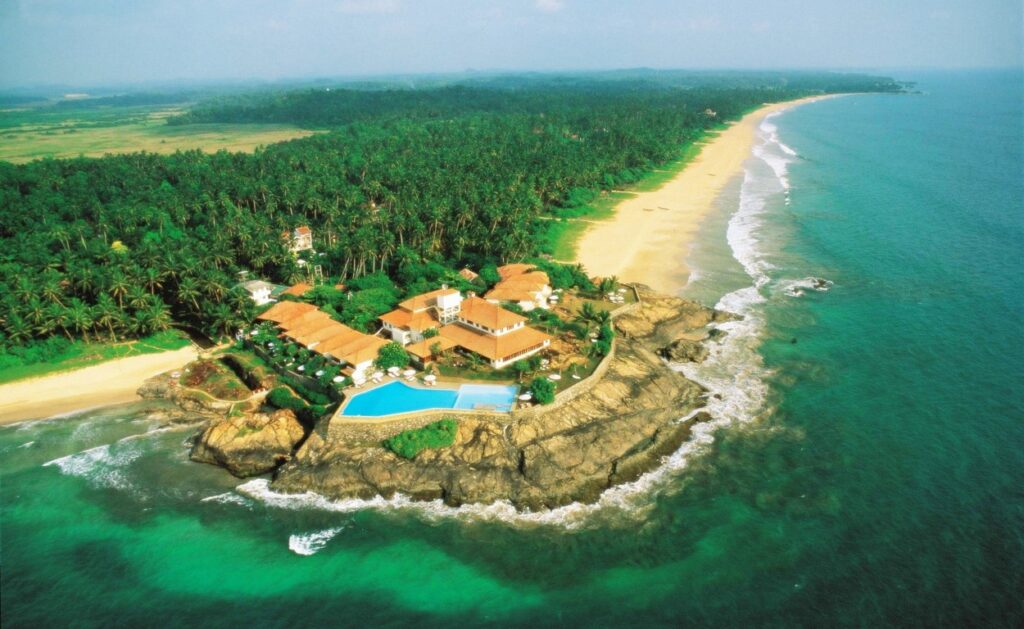
Bentota is known for its calm lagoon waters, luxury resort hotels and water sports scene. The Bentota River winds through mangrove-lined banks – perfect for a boat safari – before meeting the sea at one of Sri Lanka’s most elegant stretches of beach. It is equally popular for Ayurvedic wellness breaks, water skiing and windsurfing, making it a destination that beautifully balances activity with relaxation.

Walk Through Centuries of Civilisation Preserved in Stone.

Sri Lanka’s Cultural Triangle is one of Asia’s great archaeological treasures, where the island’s ancient civilisation left behind a legacy of royal cities, colossal stupas, rock fortresses and cave temples. These UNESCO World Heritage Sites tell the story of kings, monks, engineers and artists who shaped one of the ancient world’s most sophisticated civilisations.

Anuradhapura

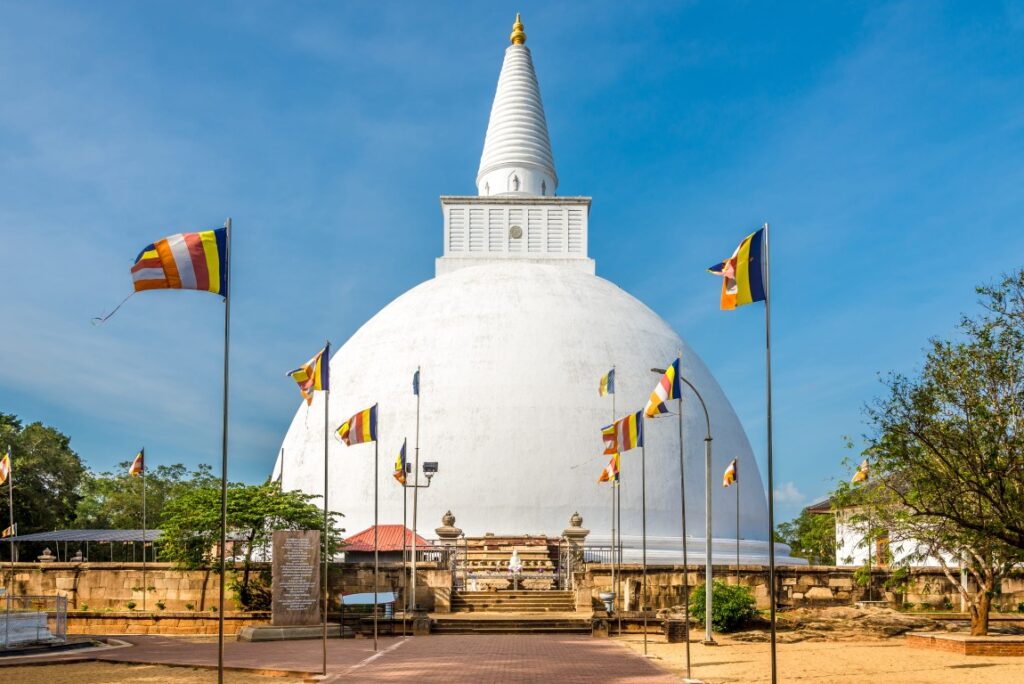
Anuradhapura is one of the longest continuously inhabited cities in the world, its history stretching back over 2,500 years. The sacred precinct contains some of the most revered sites in Buddhism, including the Sri Maha Bodhi, a fig tree grown from a cutting of the original Bodhi Tree under which the Buddha attained enlightenment, and several white-domed dagobas visible for miles across the plains.

Yapahuwa

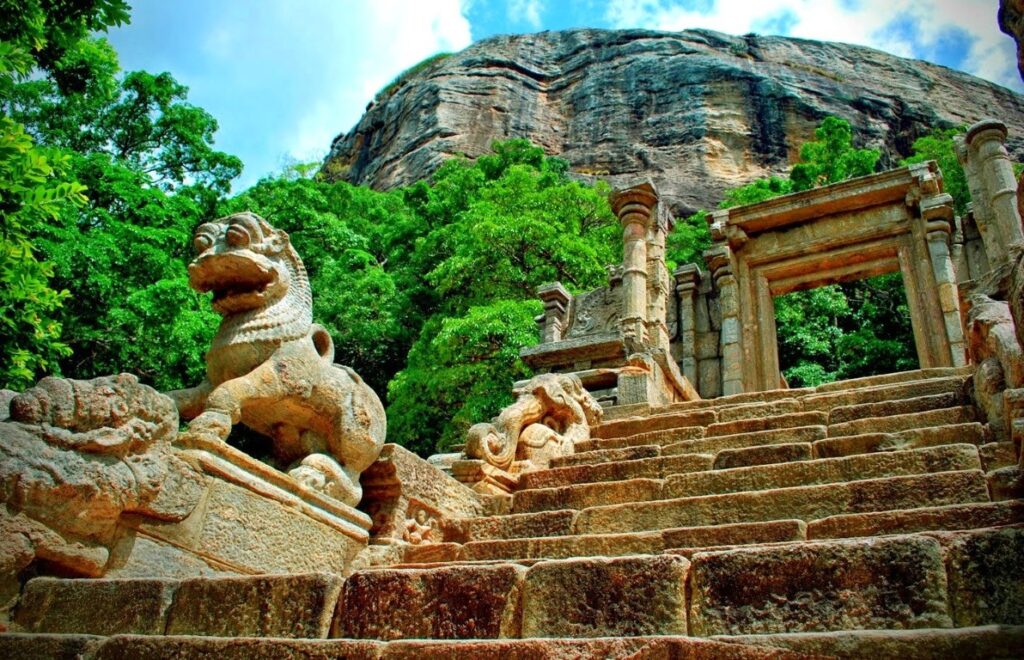
Yapahuwa is a fascinating ancient rock fortress and royal capital, rising from the surrounding plains of the North Western Province. The site dates to the 13th century, when it served briefly as the island’s capital and the custodian of the sacred Tooth Relic of the Buddha. The ornate stone stairway and its elaborately carved entrance pavilion are considered masterpieces of medieval Sri Lankan craftsmanship.

Dambulla Cave Temple

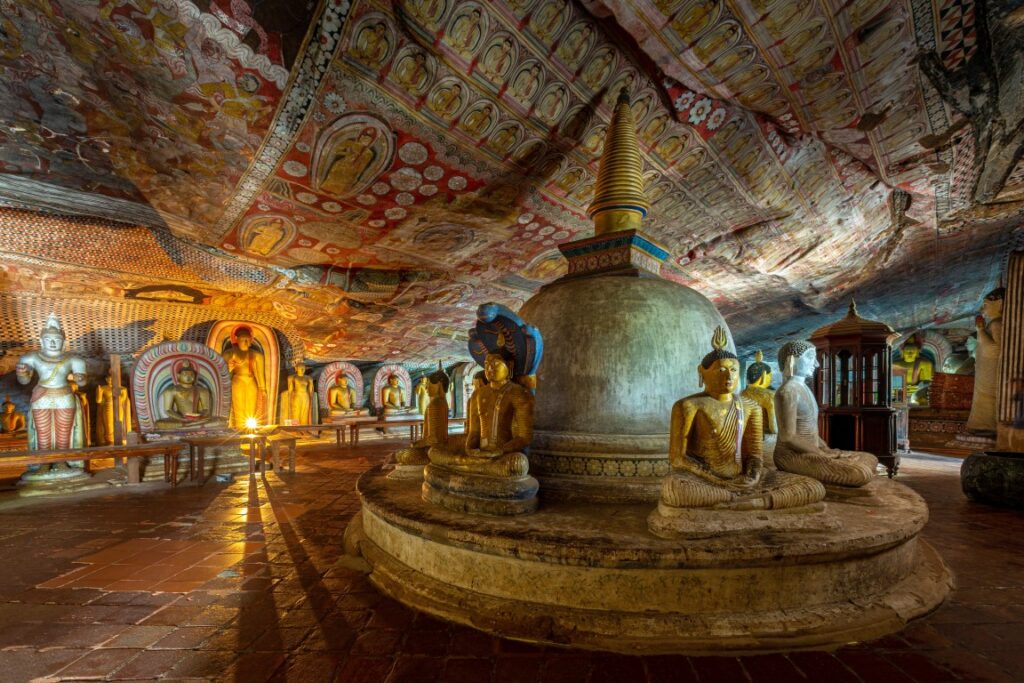
The Dambulla Cave Temple, also known as the Golden Temple of Dambulla, is Sri Lanka’s best-preserved cave temple complex, a UNESCO World Heritage Site carved into a granite outcrop overlooking the surrounding plains. Inside five interconnected caves, more than 150 Buddha statues, painted ceilings and murals of Sri Lankan Buddhist art create an atmosphere of reverence and beauty.

Sigiriya

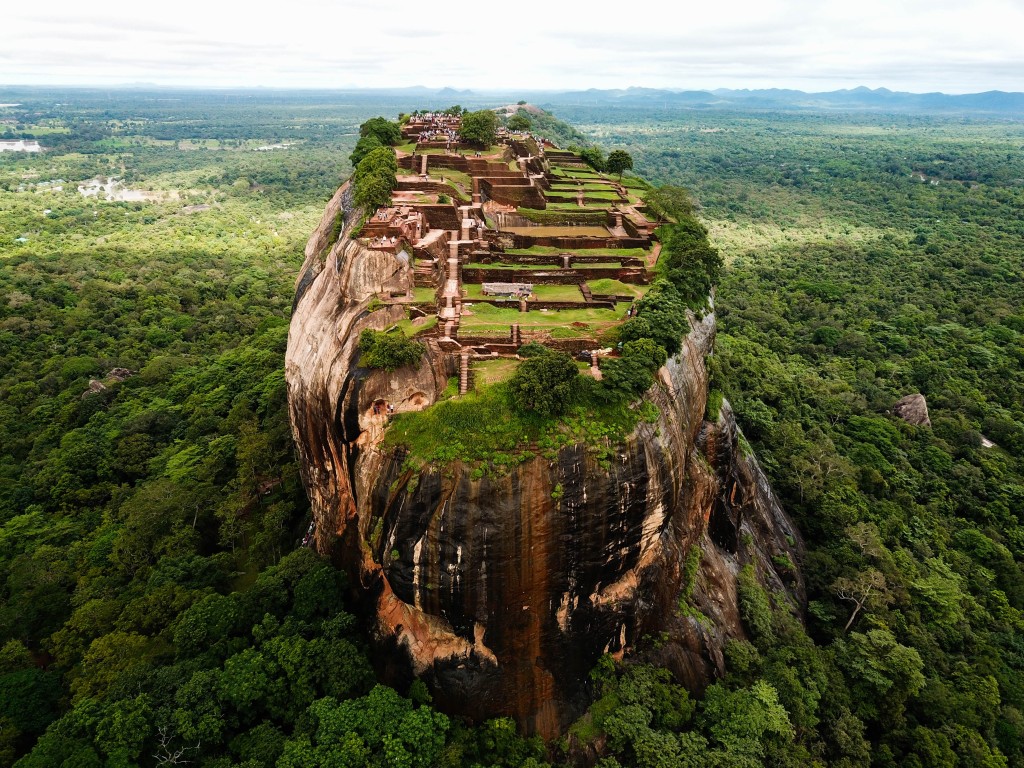
Sigiriya, the “Lion Rock”, is perhaps Sri Lanka’s most iconic landmark: a colossal volcanic rock rising 200 metres from the surrounding jungle, crowned by the ruins of a 5th-century royal palace-citadel. The climb to the summit rewards visitors with 360-degree views, ancient frescoes of celestial maidens painted on the rock face, and a fascinating mirror wall covered in centuries of inscribed poetry.

Polonnaruwa

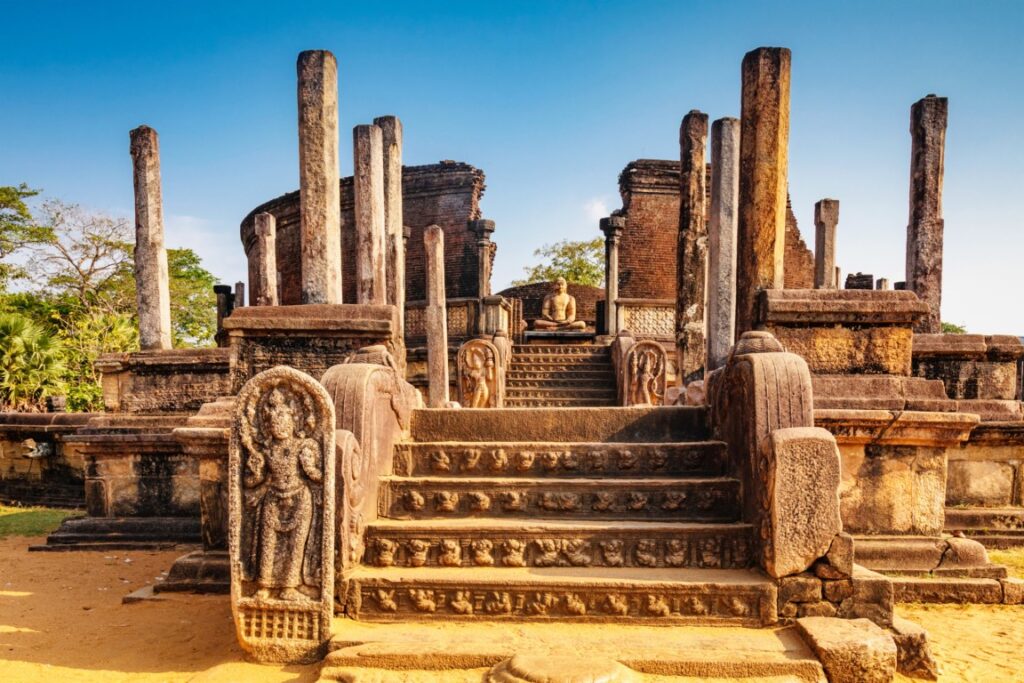
Polonnaruwa was the second royal capital of Sri Lanka, flourishing between the 11th and 13th centuries as one of the ancient, prosperous cities. Today, it’s preserved ruins, including royal palaces, bathing pools, and enormous stupas, spread across a vast open-air museum. The Gal Vihara, with its four magnificent Buddha figures carved into a granite face, is one of Sri Lanka’s most iconic ancient monuments.

Where the Clouds Touch the Mountains and Time Slows to a Gentle Pace.

The central highlands is a landscape of soaring peaks, cascading waterfalls, misty valleys, ancient forests and rolling hills blanketed in the green of tea plantations. The cool, fresh air and scenery of the hill country offer a complete contrast to the coastal lowlands, and invite travellers to slow down, breathe deeply and absorb the beauty around them.

Knuckles Mountain Range

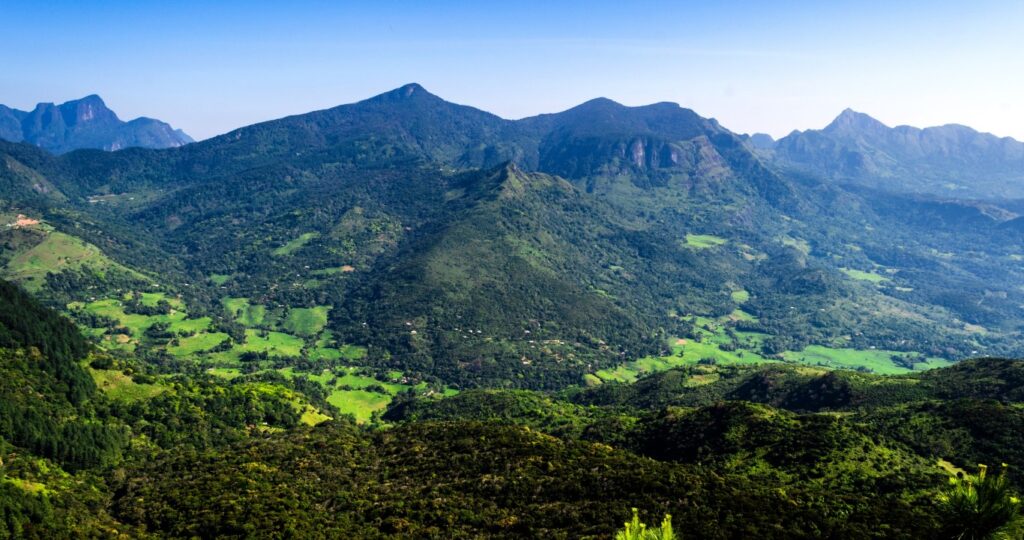
The Knuckles Mountain Range is a UNESCO World Heritage-listed wilderness area of biodiversity, encompassing cloud forests, grasslands, cascading streams and ancient villages unchanged for centuries. The range is home to endemic plant and animal species, including many found nowhere else on earth, and offers some of Sri Lanka’s finest trekking routes for those willing to venture off the beaten path.

Nuwara Eliya

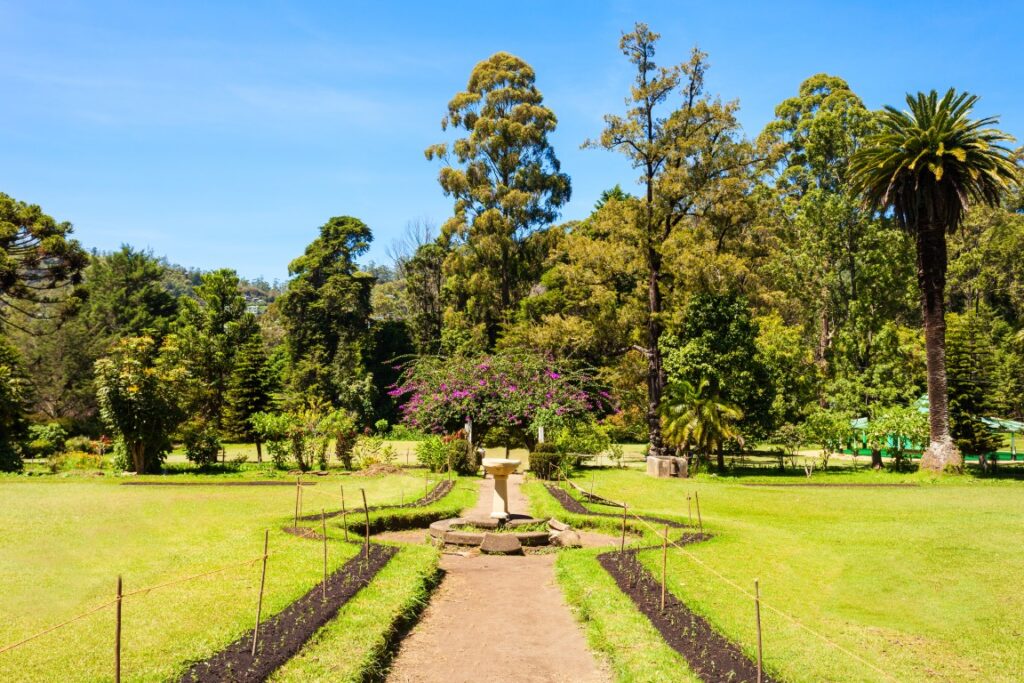
Nuwara Eliya is Sri Lanka’s charming “Little England”, a colonial-era hill station at 1,868 metres elevation where Victorian-era bungalows, manicured gardens, a horse racing track and a venerable golf course sit incongruously amid the tropical highlands. The town is the heart of Sri Lanka’s premium tea country, and a visit to one of the surrounding working tea estates is an essential highland experience.

Horton Plains

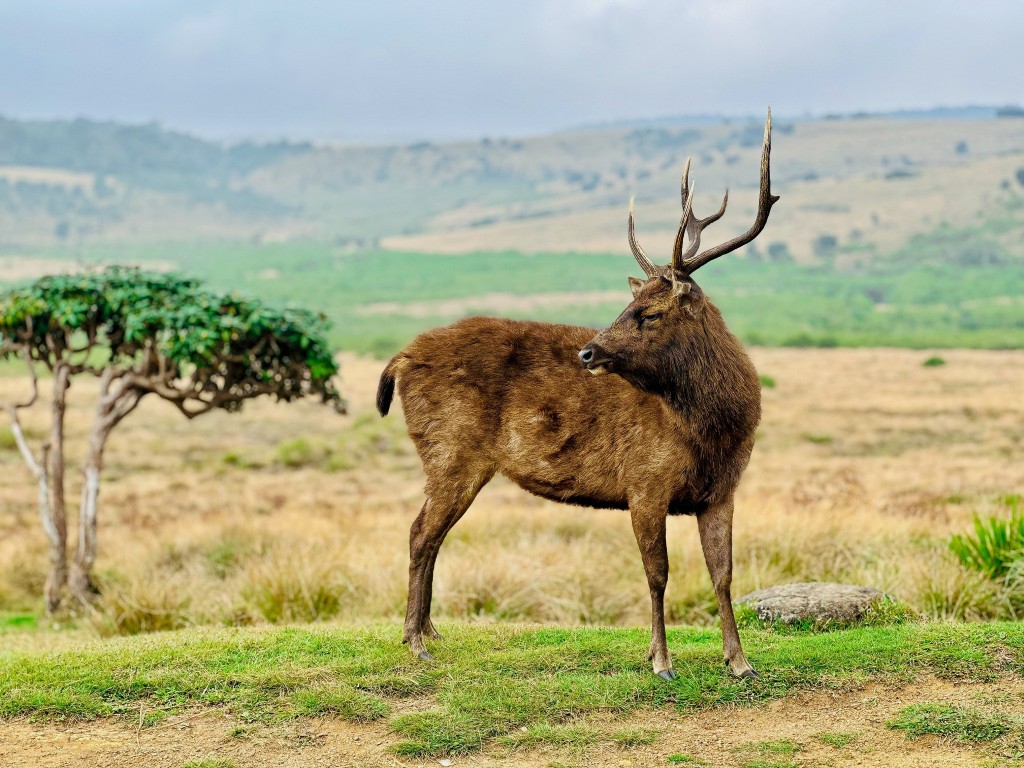
Horton Plains is a high-altitude grassland plateau at 2,100 metres above sea level, one of Sri Lanka’s most unique and ecologically significant landscapes, protecting the island’s largest remaining montane cloud forest. The park is the primary watershed of Sri Lanka, feeding many of the island’s major rivers, and is home to endemic species including sambar deer, leopard, purple-faced langur and a variety of highland birds.

Haputale

Haputale is a quiet, atmospheric highland that sits on a ridge dividing the island’s interior from the southern lowlands on a clear day. The town is surrounded by vast tea estates, including the historic Dambatenne Factory, where Ceylon tea production was pioneered, and the viewpoint at Lipton’s Seat, named after Sir Thomas Lipton himself, offers one of the most sweeping panoramas in all of Sri Lanka.

Ella

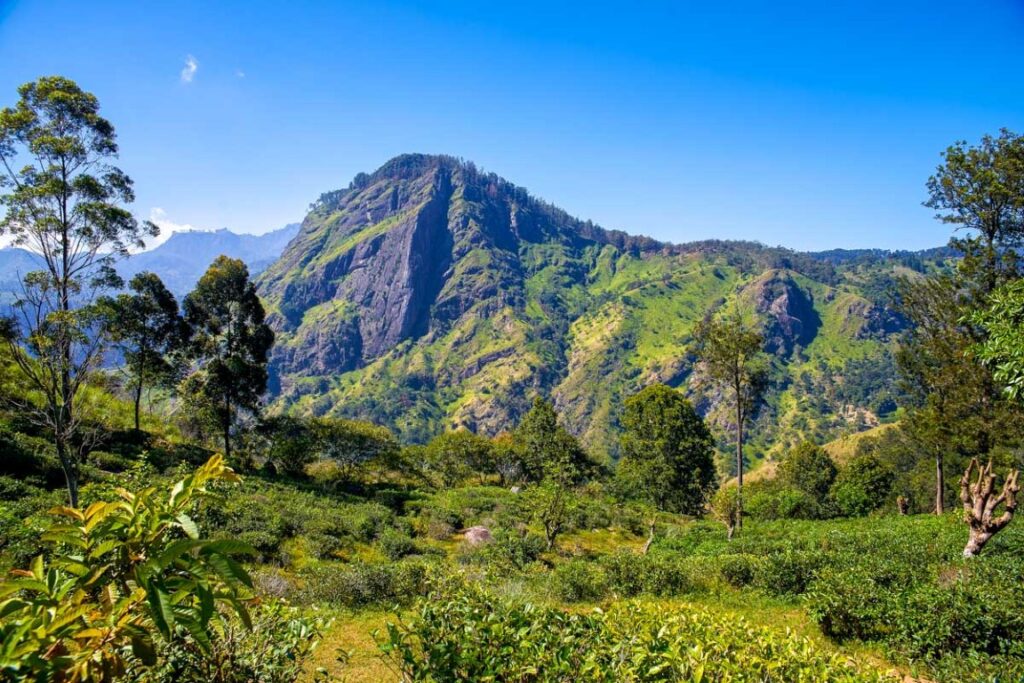
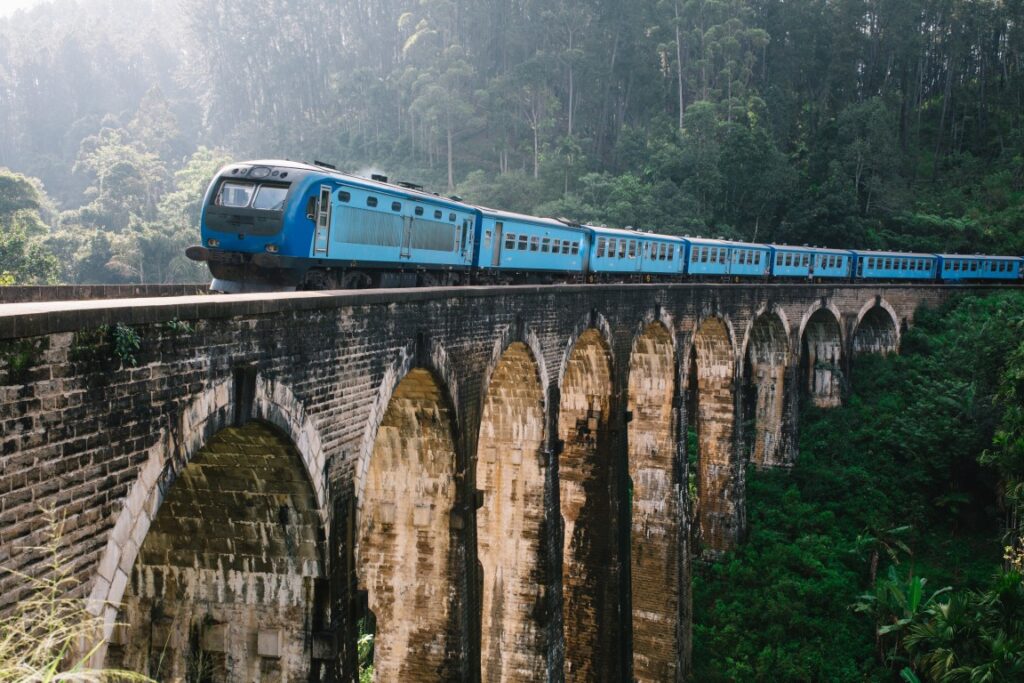
Ella is a small, vibrant town surrounded by tea-covered ridges, deep valleys and spectacular viewpoints. The Nine Arch Bridge, an iconic colonial-era stone viaduct framed by lush jungle, is one of the island’s most photographed landmarks; Little Adam’s Peak offers a sunrise hike above the mist; and the local cafe culture, relaxed pace and stunning scenery make Ella a town where travellers consistently stay longer than planned.

Sacred Sites Where Faith, History and Beauty Converge.

Sri Lanka is where ancient temples, sacred mountains and holy rivers have drawn pilgrims for millennia from across Asia and the world. The country’s rich religious tapestry – Buddhist, Hindu, Muslim, and Christian traditions woven together through centuries of coexistence – has produced a landscape dotted with sacred sites of historical and devotional significance.

Knuckles Mountain Range

Nuwara Eliya

Horton Plains

Haputale

Ella

Respecting the Wild, One Encounter at a Time.

Sri Lanka is a small island that harbours an astonishing concentration of biodiversity, including some of the highest densities of leopards and elephants, as well as endemic bird species, rare reptiles and marine life. The country’s network of national parks and protected reserves ranges from dry zone scrub forests and open grasslands to dense rainforests and coastal lagoons.

Jaffna

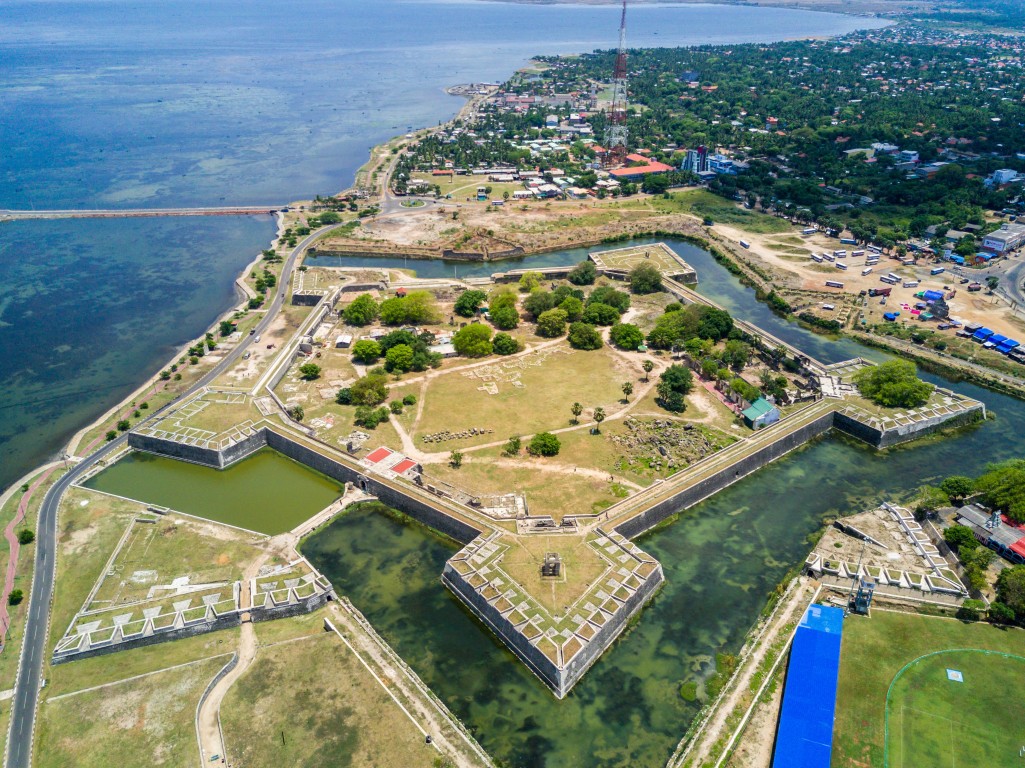
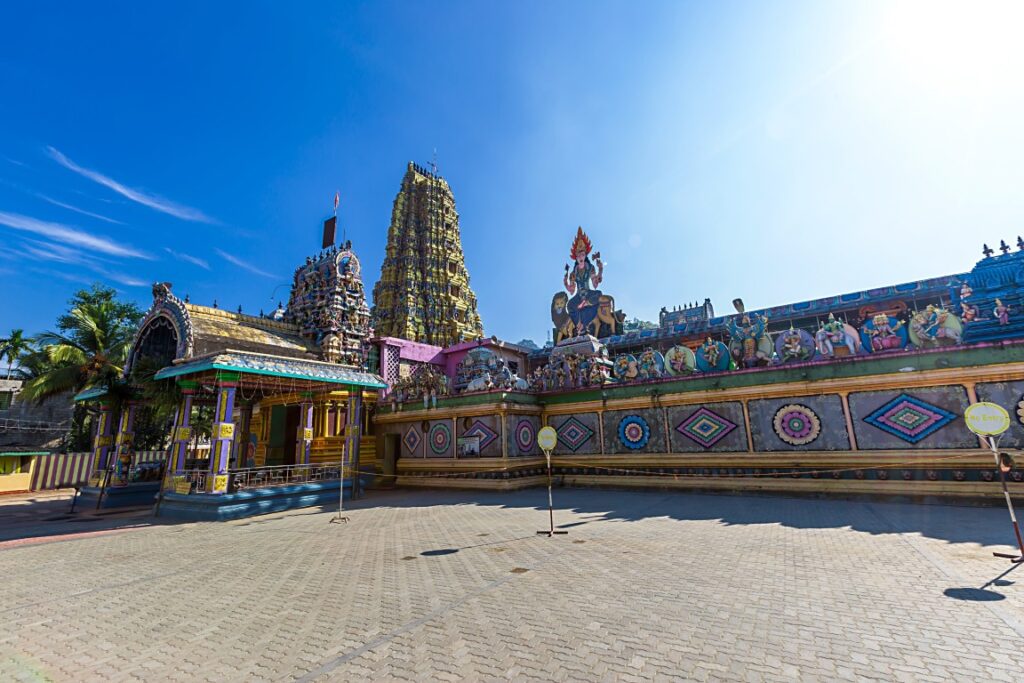
Jaffna is the cultural and spiritual heart of Sri Lanka’s Tamil community, a city of ancient temples, colonial forts, vibrant local markets, and a distinctive regional cuisine in the far north of the island. The city and its surrounding peninsula are dotted with magnificent Hindu kovils, including the enormous Nallur Kandaswamy Kovil, which hosts one of Sri Lanka’s most spectacular annual festivals.

Kataragama

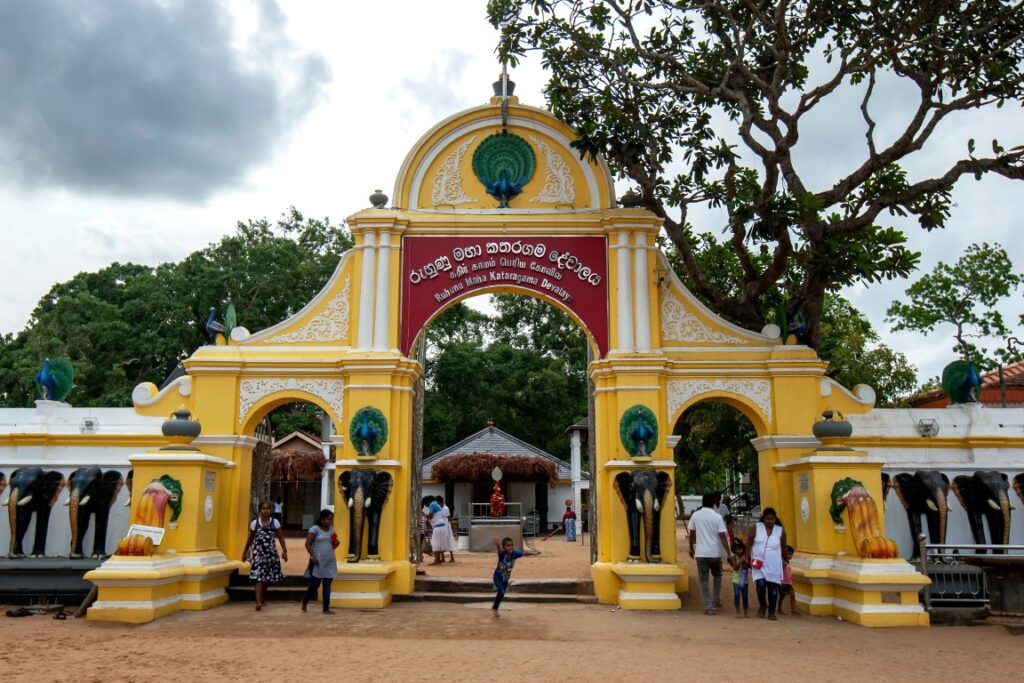
Kataragama is a multi-religious sacred town in the south of Sri Lanka, with a complex of temples, shrines and sacred sites drawing Buddhist, Hindu, Islamic, and indigenous Vedda pilgrims year-round. The Kataragama Deviyo, the presiding deity, is uniquely venerated across religious boundaries, reflecting the island’s tradition of layered devotion and spiritual synthesis.

Koneswaram Temple

Koneswaram is a spectacular ancient Hindu temple perched on Swami Rock, a granite headland jutting into the sea above Trincomalee natural harbour. Dedicated to Lord Shiva, the temple is one of the five most sacred Shaivite temples and its cliff-top location, with the sea crashing below on three sides and the ocean stretching to the horizon, makes it one of the most astounding religious sites.

Adam’s Peak

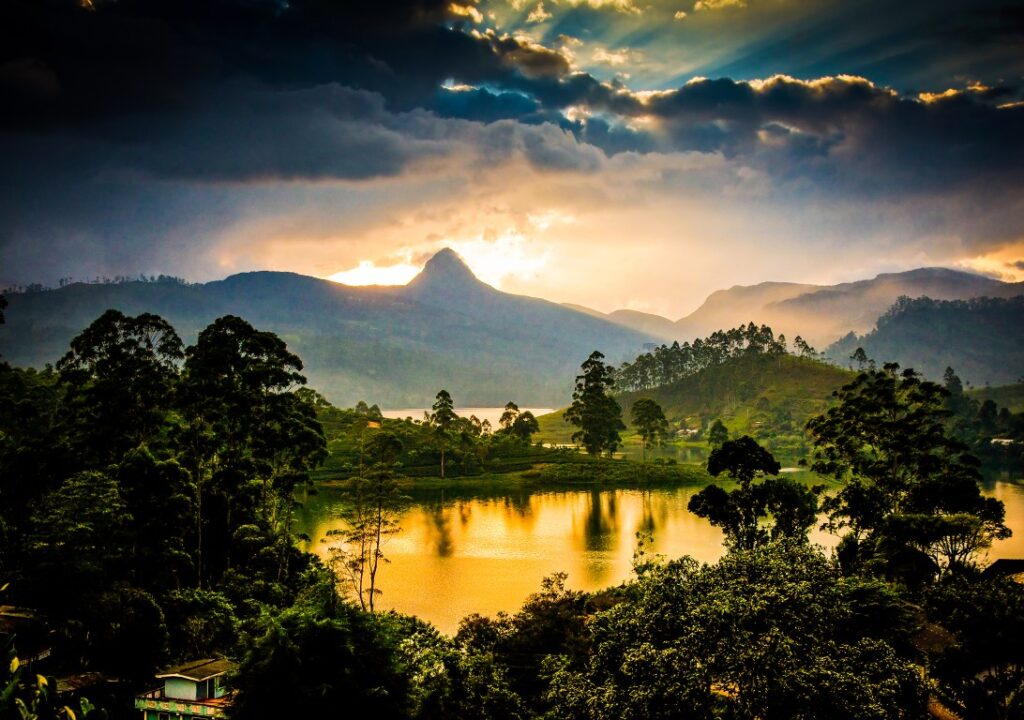
Adam’s Peak, known as the ‘Sacred Footprint’, is a conical mountain in the central highlands revered by Buddhists, Hindus, Muslims and Christians, each of whom claims sacred significance, believed respectively to be the footprint of the Buddha, Shiva, Adam or St. Thomas. The pilgrimage season runs from December to May, when thousands of devotees and travellers climb to reach the summit.

Temple of the Tooth

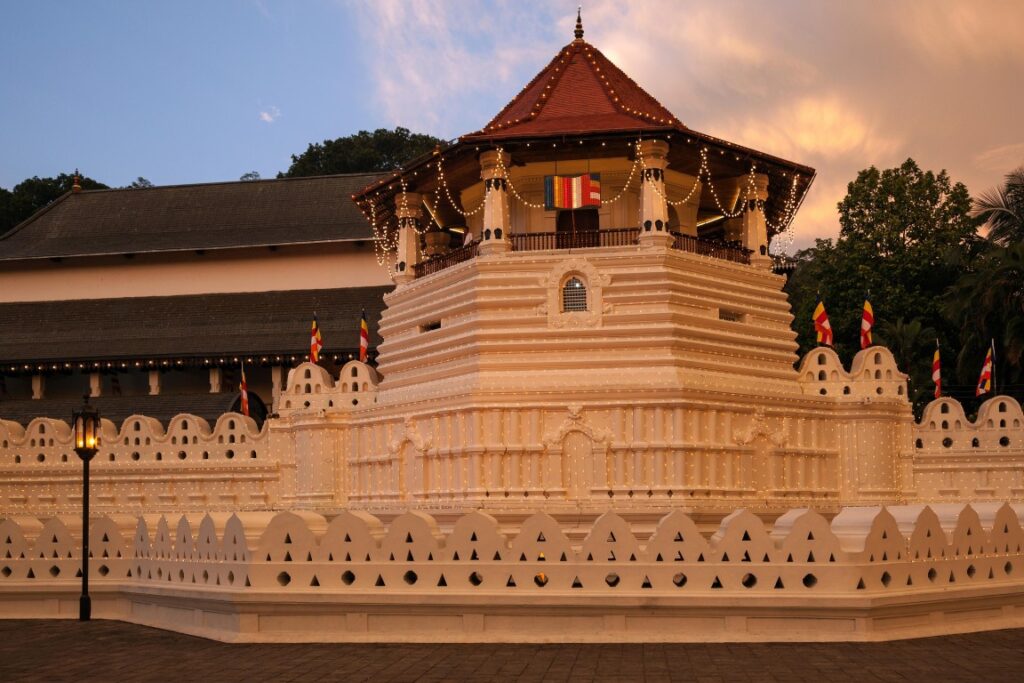
The Temple of the Tooth Relic is one of the most revered in Sri Lanka. Located at the heart of the royal city of Kandy, the temple houses what is believed to be the left canine tooth of Gautama Buddha. The temple complex is a masterpiece of Kandyan architecture, and the evening “Tevava puja”, a ritual offering ceremony, is one of the most moving ceremonial experiences.